How to Get More Value From Your Existing Video Content
Producing a video for your business is an investment. It takes time, planning, and resources. Once it is finished, most people treat it as a single asset. It gets published, shared a few times, and then slowly fades into the background.
But a well-filmed project can deliver far more value. With the right approach, you can turn one video into a library of content that fuels your marketing for months. Repurposing and refreshing your existing footage is one of the simplest ways to reach more people and extend the lifespan of your content.
Below is a video where I talk through these ideas. The examples still apply, but the strategies have expanded in recent years.
Why Repurposing Matters
Every shoot captures far more material than the final edited video. Interviews, b-roll, sound bites, extra takes, strong insights, reactions, cutaways. This unused footage is often sitting on a drive waiting to be used.
Repurposing helps you:
- Reach new audiences
- Create fresh content without new filming
- Improve the return on your original investment
- Keep your message visible on multiple platforms
- Build a long-term content library for marketing and sales
Instead of relying on a single video, you create a steady flow of purposeful content.
Ways to Repurpose and Refresh Your Existing Videos
Create Short Form Cutdowns
Modern platforms reward short, tight content. From one long interview or brand story, you can create:
- Thirty-second cutdowns
- Vertical versions for social platforms
- Key insights as standalone clips
- Pull quotes with b-roll
- Short testimonial highlights
This is the easiest way to multiply the life of your footage.
Build a Content Library From Your Footage
Many businesses only ever use the final edit. The smarter approach is to build a searchable content archive that includes:
- All interview footage
- B-roll
- Sound bites
- Statements and insights
- Product or service demonstrations
- Event moments
This gives you everything you need for future videos, social posts, campaigns, or paid ads without having to film again.
It is the same system we built for clients like Mosaic Private, Oracle Group, and PACT.
Re-edit and Modernise Older Videos
Trends change. So does pacing, text style, music, and even camera language. A video from a few years ago can feel current again with:
- A fresh edit
- Updated graphics
- A new opening
- Revised call to action
- Modernised music
- Updated branding
- Faster pacing
- Removal of anything outdated
This helps you reuse strong content that may no longer match your current brand.
Create Platform-Specific Versions
Each platform has its own style and expectations.
LinkedIn: Short, clear clips that position you as an expert.
YouTube: Edited for retention with better pacing, titles, and thumbnails.
Your Website: Clean, polished versions for homepages, service pages, and landing pages.
Email Marketing: Short clips embedded into newsletters.
Internal Communications: Condensed training or updates for your team.
One piece of footage can be adapted into multiple formats without reshooting a thing.
Refresh Thumbnails, Titles, and Hooks
Sometimes your video doesn’t need a new edit. It just needs a new entry point.
- Stronger thumbnail
- More specific title
- Updated first ten seconds
- A clearer hook
- A better opening question
These small updates can significantly improve engagement and watch time.
Turn Interviews Into Multiple Assets
If you have filmed interviews, they can be transformed into:
- Full testimonial videos
- Short testimonial highlights
- Topic-specific clips
- Quotes for social media
- Text articles
- Case study pages
- Internal training content
Every interview contains more value than people realise.
Distribute Your Content Widely
A video that lives only on your homepage underperforms. Your repurposed clips can also be posted to:
- YouTube
- Email newsletters
- Event follow-ups
- Paid campaigns
- Sales decks
- Webinars
- Training systems
More distribution equals more value.
A Simple Question to Ask Yourself
Before planning new shoots, ask:
Have we fully used the content we already have?
In many cases, the answer is no. Your existing footage holds more potential. If you want help turning it into a long term library, our team can support you.
Repurposing Video Content – Frequently Asked Questions
What is video repurposing?
Video repurposing involves taking existing footage and turning it into new content such as cutdowns, vertical videos, testimonial clips, or updated edits.
Do I need to film new content to repurpose my videos?
Not necessarily. Many new pieces can be created from interviews, b-roll, or unused footage from previous shoots.
Which platforms benefit most from repurposed clips?
LinkedIn, YouTube, email newsletters, landing pages, and internal communications all benefit from short, focused videos.
Can older videos be refreshed?
Yes. Updating graphics, pacing, music, and calls to action can make older videos feel modern and relevant again.
Is repurposing cost-effective?
Yes. Repurposing uses material you already have, which reduces production costs and increases the value of your original investment.
Can Dream Engine help repurpose my footage?
Yes. We help businesses turn their existing footage into content libraries, cutdowns, vertical versions, and refreshed edits.
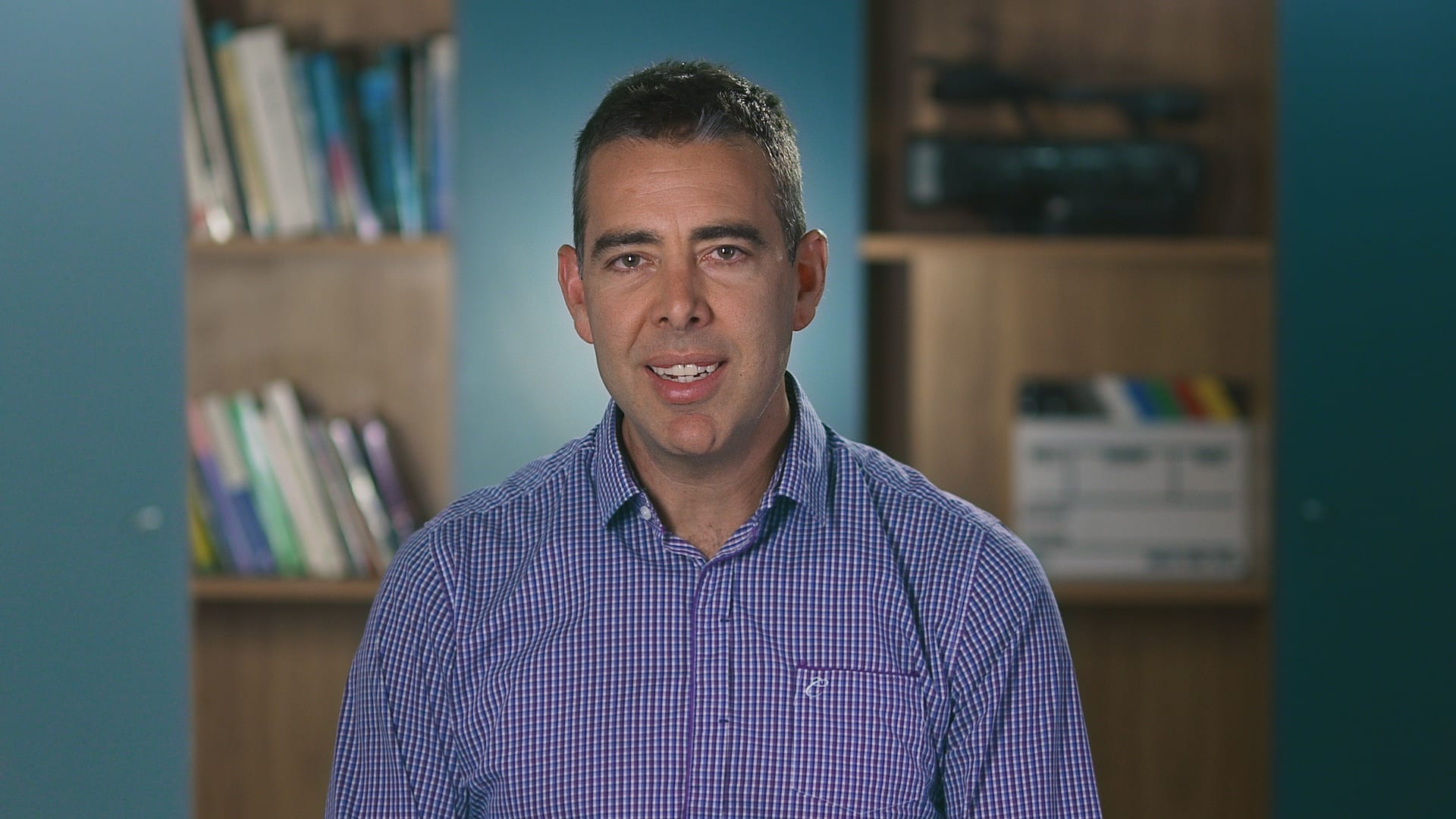
Ryan Spanger is the founder and managing director of Dream Engine, a Melbourne-based video production company established in 2002. With more than two decades of experience, Ryan has helped leading Australian businesses, government departments, and non-profits communicate their message with clarity and impact through video. He’s known for his strategic approach, reliable process, and commitment to producing videos that deliver measurable results.