Last updated: 13 December 2025
Most businesses treat “sales video” as a single asset. One homepage video. One brand video. One explainer. One thing that’s meant to do everything.
In practice, that approach rarely works. People arrive with different questions, different hesitations, and different levels of trust. A single video can’t answer everything without becoming slow, vague, or salesy.
What works better is a small collection of sales videos, each with a clear job. You show the right video at the right moment, based on where someone is in the decision process.
A practical way to plan a set of sales videos across the full journey, from first contact through to the decision. You’ll know what to make, what each video needs to achieve, and how to use them in real conversations.
Who this is for
This is for marketing managers, communications leads, and business owners who sell services that involve trust, budget, and internal sign-off.
If your sales cycle involves meetings, proposals, comparisons, and “we need to discuss it internally,” a single video on the homepage will not do the heavy lifting on its own.
Why one video is rarely enough
A strong sales process works in stages. Someone becomes aware of you, then evaluates you, then decides.
At each stage, people have different questions. Early on, they’re trying to understand what you do and whether you are relevant. Late,r they’re looking for proof, risk reduction, and reassurance that they’re making a wise decision.
A useful library of sales videos respects that. Each video has a narrow focus and a clear outcome.
What a “sales video” actually does
Sales videos are not only about closing. They can:
- Answer common pre-sales questions
- Show proof and credibility
- Explain how your process works
- Reduce confusion and back-and-forth
- Support internal buy-in when your contact needs to sell your idea to others
When you build the library properly, your videos support the relationship rather than replace it.
How to plan your sales video library
Start by listing the questions you hear repeatedly in sales conversations.
Then group them into three stages:
- Top of funnel: “What is this, and is it for me?”
- Middle of funnel: “Can you really deliver this, and are you a safe choice?”
- End of funnel: “What happens next, and how do we move forward?”
Now you have a plan for what to create. The next step is choosing the right formats for each stage.
Top of the video sales funnel
This is where people first encounter you. The goal is not to sell. The goal is to help them understand what you do, why it matters, and whether you’re relevant.
Strong formats here include:
- Short “how it works” videos
- Animated explainer videos (when the concept needs visual clarity)
- Educational “how-to” videos
- Screen-capture videos for software or process demonstrations
- Blog posts supported by short video snippets
Practical tip: add a simple next step at the end of these videos. That might be a guide download, a newsletter signup, or a “book a call” prompt, depending on your sales process.
Middle of the video sales funnel
In the middle stage, people are comparing options and trying to justify a decision. This is the stage where trust and proof matter most.
Strong formats here include:
- Case study videos
- Customer testimonial videos
- “What it’s like to work with us” process videos
- FAQ videos addressing pricing, timelines, and risk
These videos reduce uncertainty. They help your contact feel confident when they need to take your recommendation to a manager, a board, or a procurement team.
The end of the video sales funnel
This is where you close the loop and make it easy to say yes.
At this stage, you can use videos to:
- Summarise the offer and clarify next steps
- Reassure people they’re making a smart decision
- Remove last-minute friction (timelines, approvals, logistics)
- Support follow-up offers and ongoing content
A piece-to-camera from the company director can work very well here. It does not need to be high-gloss, it needs to be clear and confident.
Another option is a live session for warm prospects, such as a livestream where you teach, answer questions, and invite action at the end.
A simple way to use these videos in real life
Here’s one straightforward workflow:
- After first enquiry: send one top-of-funnel video that explains what you do and who it’s for
- Before the sales meeting: send one “process” video so the meeting is about fit and outcomes, not logistics
- After the proposal: send one case study or testimonial that matches their industry or challenge
- When they go quiet: send a short check-in video that makes it easy to respond
The point is to reduce friction and make progress easier, without creating pressure.
Common mistakes to avoid
- Trying to cover everything in one video (it becomes vague and long)
- Making top-of-funnel the only priority (the decision often happens later)
- Skipping proof (people want reassurance, not promises)
- No plan for usage (a video is only valuable when it’s deployed consistently)
Frequently Asked Questions
Sales Video Funnel – Frequently Asked Questions
How many sales videos do we actually need?
A good starting point is three to six videos. One for awareness, one for proof, one for process, and one that supports the final decision. You can expand over time based on the questions you keep hearing in sales conversations.
Do we need high production value for every video?
No. Early-stage videos often benefit from higher polish because they create first impressions. Later-stage videos can be simpler if they’re clear and credible. The goal is effectiveness, not perfection.
What makes a sales video “work”?
It has a single job, it answers a real question, it includes proof where appropriate, and it makes the next step obvious. If someone finishes the video and knows what to do next, it’s doing its job.
How do we choose topics for the videos?
Start with the questions you already get. Pricing, timelines, what’s included, what success looks like, what can go wrong, and how you handle it. Your inbox and sales calls are the best source of topics.
Where should we use these videos?
Use them on key website pages, in email follow-ups, in proposals, and in sales conversations. The most practical use is sending the right video at the right moment, instead of repeating yourself in every meeting.
Want help building the right set of sales videos?
If you want help planning and producing a sales video library that matches your buyer journey, get in touch with Dream Engine.
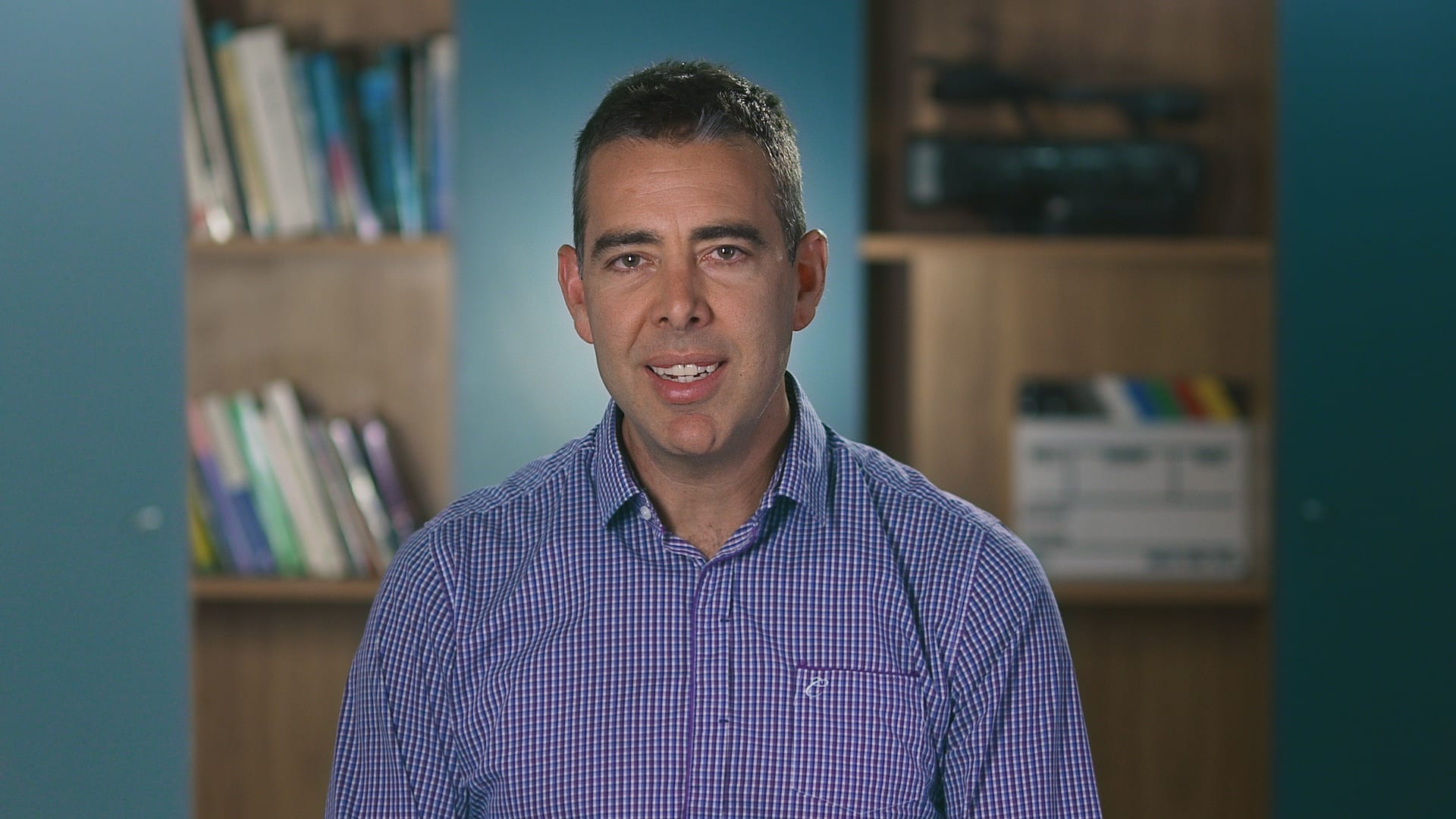
Ryan Spanger is the founder and managing director of Dream Engine, a Melbourne-based video production company established in 2002. With more than two decades of experience, Ryan has helped leading Australian businesses, government departments, and non-profits communicate their message with clarity and impact through video. He’s known for his strategic approach, reliable process, and commitment to producing videos that deliver measurable results.