Video marketing remains one of the most effective ways for organisations to communicate. It can simplify complex ideas, increase engagement, and help your audience understand who you are.
But strong results do not come from picking up a camera and filming. They come from making a few clear decisions before production begins.
This guide outlines the planning steps marketing and communications teams can use to produce video content that supports real business goals and stays useful long after launch.
1. Define the purpose
Every successful video starts with a single purpose. Decide what the video needs to achieve.
- Educate staff (training, onboarding, safety, internal updates)
- Attract new clients (service overview, landing page, trust building)
- Demonstrate a product (how it works, benefits, objections)
- Support recruitment (culture, roles, expectations)
A common mistake is trying to make one video do everything. Narrow the focus and decide what action you want the viewer to take after watching. That single decision will guide the structure, tone, and visual approach.
2. Identify the audience
Understanding your audience is central to your strategy. Identify who needs to see the video and what matters to them.
- What do they already know? (basic awareness vs technical depth)
- What do they care about? (risk, time, outcomes, clarity, proof)
- Where will they watch? (desktop, mobile, internal LMS, sales call)
When you have clarity about the audience, your messaging becomes sharper and more relevant. It also helps determine the right length, pacing, and level of detail.
3. Choose the right format
Different formats serve different jobs. Choose the format that matches your primary objective so the content stays focused and useful.
- Product demonstrations that show features and benefits clearly
- Training videos to support consistent onboarding and processes
- Case study videos to build trust with real outcomes
- Recruitment videos to communicate culture and role expectations
If the video needs to do multiple jobs, consider a small set of videos rather than forcing everything into one edit.
4. Develop the key message
A strong video has one central message. Supporting points can sit underneath, but the main idea should remain clear throughout.
- What is the one thing you want people to remember?
- What proof supports it? (examples, results, demonstrations, people)
- What is the next step? (contact, enquire, apply, book, read, watch)
When teams attempt to include too many ideas, the video becomes harder to follow, and approvals take longer. A simpler message improves comprehension and makes the edit cleaner.
5. Prepare the production requirements
Planning the practical elements early makes the whole process smoother.
- Locations: confirm access, noise, lighting, and logistics
- Talent: who will be on camera and how you will prepare them
- Visual style: what “professional” looks like for your brand
- Accessibility: captions, readable graphics, and clear audio
- Versions: different edits for different platforms and teams
A production partner can help refine these decisions and advise on what will translate best on screen.
6. Set a realistic budget
Budgets vary depending on scope. Clarity in planning helps you avoid cost overruns and late changes.
Cost is usually influenced by:
- Number of filming days and crew size
- Locations and travel requirements
- Motion graphics, animation, or screen capture
- Talent (presenters, actors, voiceover)
- Editing complexity and the number of versions required
Many organisations increase value by producing multiple videos at once or repurposing footage into a small library for different stages of the buyer journey.
7. Plan for distribution early
Distribution should be part of the plan from day one. Decide where the video will live and how it will be used.
- Website / landing pages: clarity and trust, usually shorter
- LinkedIn: strong first seconds, captions, mobile-friendly framing
- Sales: answers objections, supports decision-making
- Internal training: step-by-step clarity, chapters, consistency
Platform requirements influence length, framing, captions, and output formats. When distribution is considered early, you avoid rework and the final video is built for the environment where it will be seen.
8. Measure success
A strategy is not complete without a plan to measure whether the video did its job.
- Marketing videos: watch time, completion rate, click-throughs, enquiries, conversions
- Sales videos: deal velocity, fewer repeated questions, better-quality leads
- Internal videos: usage, feedback, completion rates, assessment outcomes
Tracking performance helps you improve future content and gives you evidence for what is worth investing in next.
9. Work with an experienced production partner
A professional production company does more than film and edit. They can help clarify the brief, shape messaging, and manage the process from planning through to delivery.
For marketing and communications teams, this removes guesswork and gives you a smoother path to an outcome you can confidently publish and share.
Planning a new video project? If you want help mapping out the right approach, talk to Dream Engine about strategy, production, and how to build a useful video library over time.
Video Strategy – Frequently Asked Questions
What is the first step in planning a video?
Start with a single purpose. Decide what the video must achieve and what action you want the viewer to take afterwards. Everything else flows from that decision.
How do we choose the right type of video?
Choose the format that matches the job. Demos work well for products, case studies build trust, training videos support consistency, and recruitment videos communicate culture and expectations.
How long should a marketing video be?
It depends on where the video will be used and how much your audience needs to understand. For many website and social videos, shorter is better. For deeper topics, longer can work if the structure is clear.
Should we plan distribution before filming?
Yes. Platform requirements affect length, framing, graphics, captions, and the number of versions you will need. Planning distribution early prevents rework later.
How can we get more value from one filming day?
Plan for multiple outputs. Capture a main video and a set of shorter cut-downs, plus extra footage that can be repurposed for future content. This is often the most efficient way to build momentum.
What should we measure to know if the video worked?
Measure against the goal. That could be watch time and conversions for marketing, deal support for sales, or usage and completion for internal training. The key is deciding the success signal before you film.
Can Dream Engine help with strategy as well as production?
Yes. We help marketing and communications teams clarify goals, shape messaging, choose formats, and plan production so the video works in the real world, not just in the edit suite.
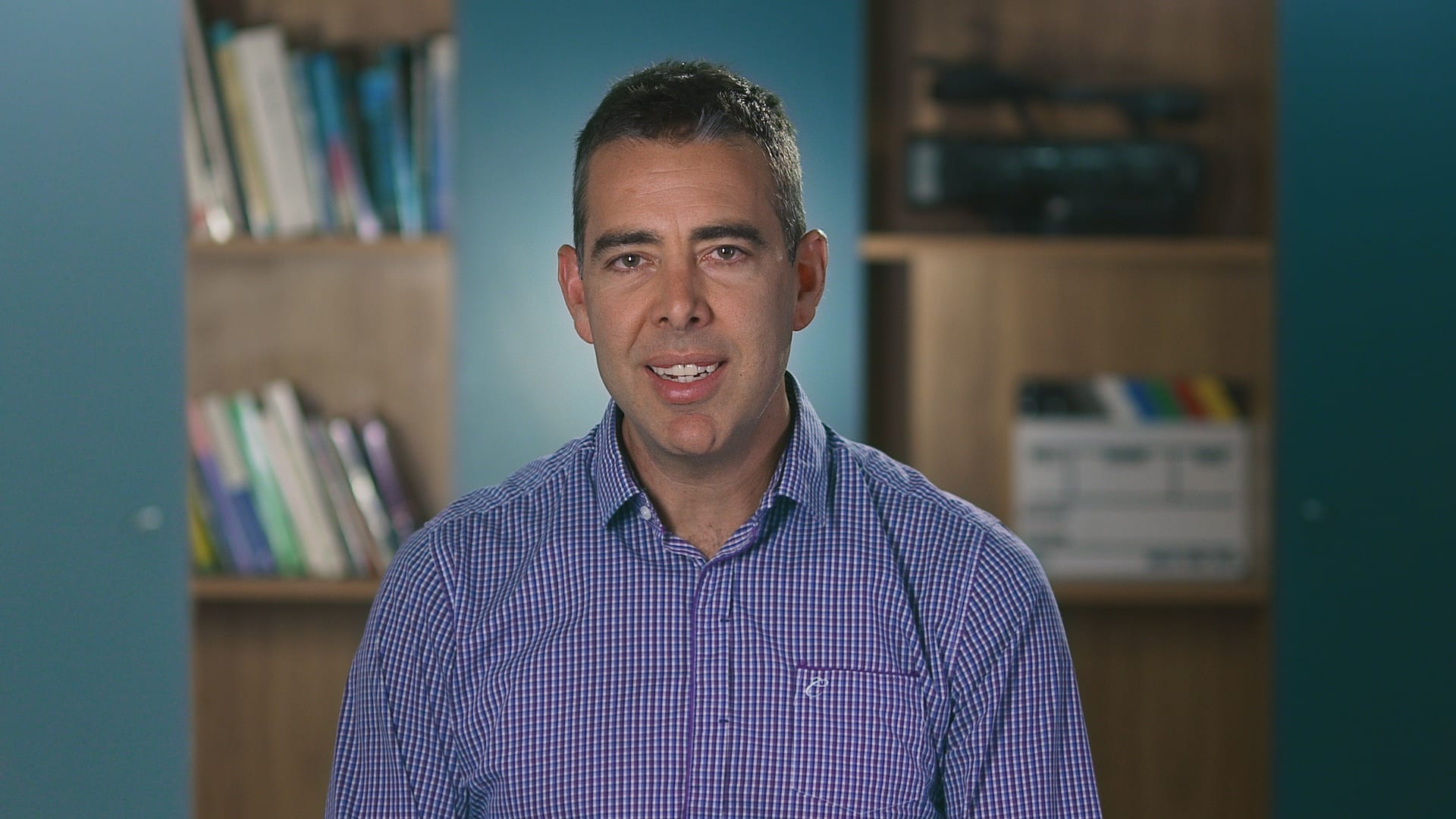
Ryan Spanger is the founder and managing director of Dream Engine, a Melbourne-based video production company established in 2002. With more than two decades of experience, Ryan has helped leading Australian businesses, government departments, and non-profits communicate their message with clarity and impact through video. He’s known for his strategic approach, reliable process, and commitment to producing videos that deliver measurable results.