In this guide
Start planning your video marketing strategy for the year ahead by looking at your business priorities, key dates and available budget.
- What initiatives in the business would benefit from being supported by video?
- What are the types of videos you could consider making?
- Which filming days could provide material for more than one planned video?
Use the examples below to decide which videos will support your plans. For each priority, record the audience, purpose, distribution channels, budget, owner and delivery date. Work backwards from the launch date to allow time for planning, filming, editing and approvals. Where projects share people or locations, consider filming material for several videos in one session.

Types of Videos to Include in Your Plan
Different business goals call for different videos. These examples from Dream Engine projects show how video can support customer communication, recruitment, events and social content:
Case Study Videos
When your business is doing great work for your clients, capturing and sharing their stories on video makes sense. Case Study videos can help prospective customers assess your work because:
- They show the impact that you’ve made on your client and how you helped solve their challenge.
- The client can describe the experience in their own words.
- Prospects can compare the client’s situation with their own needs.
- They can be cost-effective when the story, location and filming requirements are well defined and the finished video will be used across several relevant channels.
Here’s an example of a case study video we produced for Cupix about their client, John Holland, using their software tool.
Recruitment Videos
Video is an excellent way to share your company’s story with potential applicants. It gives candidates a clear idea of your organisation’s culture, values, and work environment right from the start, helping them decide whether they would be a good fit for your business.
This video we made for Linde Material Handling gives candidates a picture of a typical working day and what makes the workplace distinctive. A recruitment video can help local applicants and people considering a move understand the role and working environment before they apply:
Event Videos
If you’re planning an event or participating in a conference, expo, or training session, event videos can give people who could not attend access to presentations and discussions. They also provide an opportunity to record interviews, demonstrations and other useful material during the same event.
Some of the ways you can use event video are:
- Capture the main moments of your event in a highlights video, allowing enough time to show the setting, key speakers and audience experience.
- Use the opportunity to interview clients and staff while they are on-site.
- Cut down presentations from the stage into short social media clips.
Here’s a highlights video of a training day that we captured for Porsche Cars Australia:
Livestream Videos
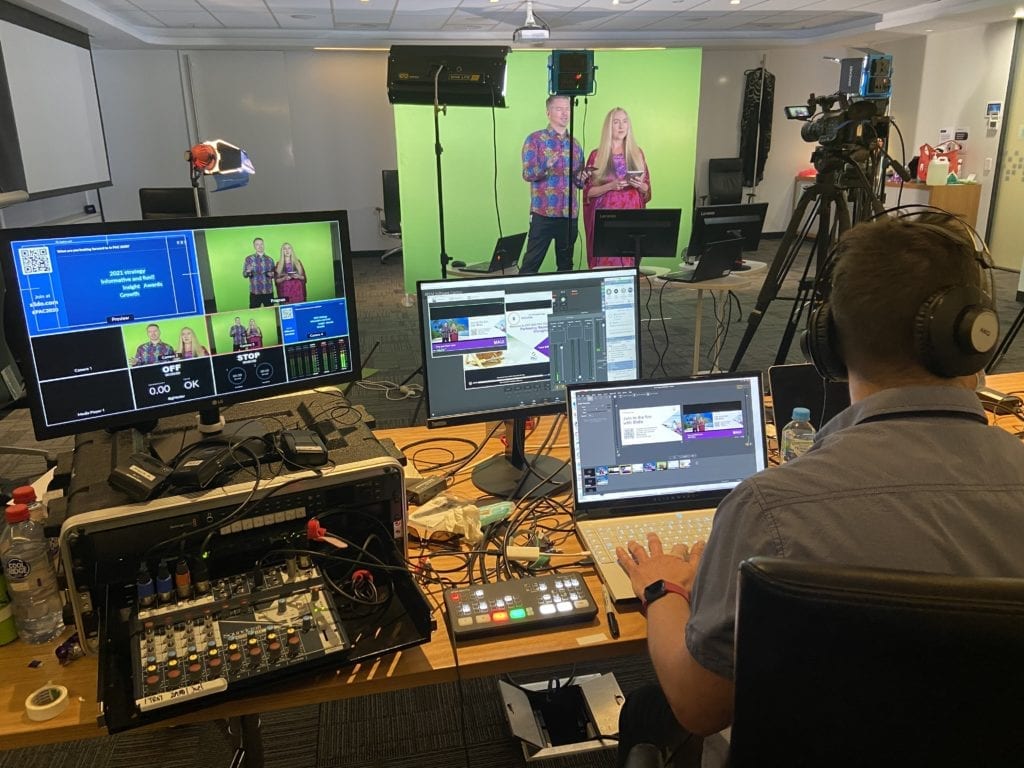
As an extension of a live event or training session that your business is running, consider the opportunity of web-streaming the event:
- Reach a larger audience.
- Give attendees the flexibility to attend in person or online.
- Let people join from locations where travel would be difficult.
We’ve produced livestream events including award ceremonies, council meetings and educational seminars. Here are some of the current trends we’re seeing in live streaming.
Social Media Videos
Social Media video content can help you share useful advice and project examples with prospects. Plan a regular publishing schedule that your team can sustain, with each video linked to a clear audience and purpose.
If you have already been producing video content, ask your production company to review the existing footage for material that suits your new plans. Here’s an example of a short social video that we produced for our client, Harwyn, with content extracted from a longer case study video:
Check out the full case study of the Harwyn Music Pods video project. For another example of content reuse, see how one filming day created months of content for Mosaic Private.
Put Your Video Plan Into Action
Choose the projects that best support your business priorities, then agree on budgets, responsibilities and delivery dates. Decide how you will measure each video’s results and when you will review the plan. Our role is to work with clients on their video marketing strategy. If you’ve seen a video example in this post that’s given you an idea, we welcome you to contact us to discuss how we could produce something similar for your organisation.
For a practical starting point, use our video production brief guide. Our guide to repurposing video content covers planning several useful versions from the same footage.
Plan the details
Video marketing strategy: frequently asked questions
Answers to common planning questions.
Where should we start an annual video plan?
Start with business priorities, key dates and the available budget. For each proposed video, record the audience, purpose, distribution channels, owner, delivery date and the result you intend to measure.
Which videos can fit into the plan?
Depending on the business priorities, the plan could include customer case studies, recruitment videos, event coverage, livestreams and social content. Choose the format around the audience and the information they need.
Can one filming day support several videos?
Where projects share people or locations, consider filming material for several planned videos in the same session. Agree on the shot list and delivery versions beforehand, and allow enough time to capture the required material.
How should we plan approvals and review?
Work backwards from each launch date to allow for planning, filming, editing and approvals. Agree on responsibilities, decide how each video will be measured and set a date to review the plan.
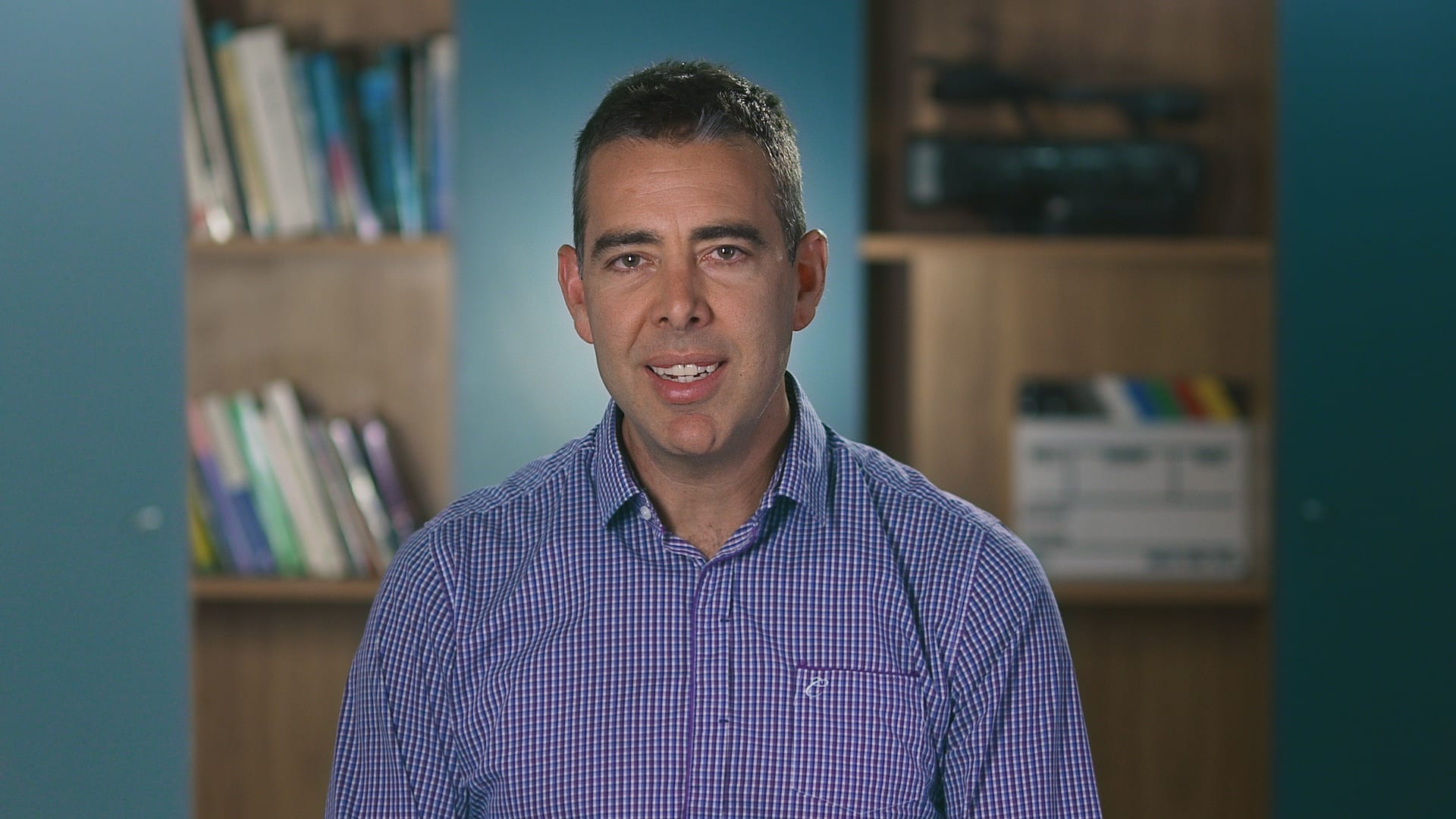
Ryan Spanger is the founder and managing director of Dream Engine, a Melbourne video production company established in 2002. Over the past two decades, he’s produced hundreds of videos for businesses, government departments, universities and healthcare organisations across Australia. Ryan specialises in helping organisations explain complex ideas through clear, engaging video content, with particular experience in corporate communications, training and education.