
Align
We define the purpose, audience, priorities, timing and people responsible for approval.
Video production company in Melbourne, Australia.
How we work
Before production starts, we agree what you are making, who needs to approve it and when each stage will happen. You can see what we need from your team and what Dream Engine will organise.
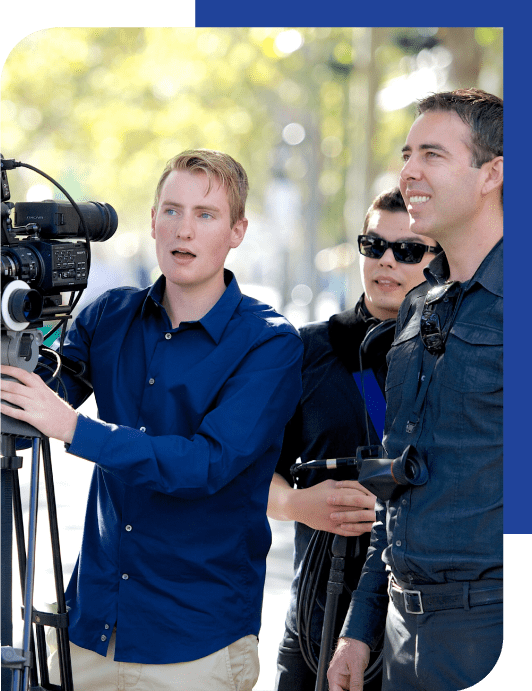
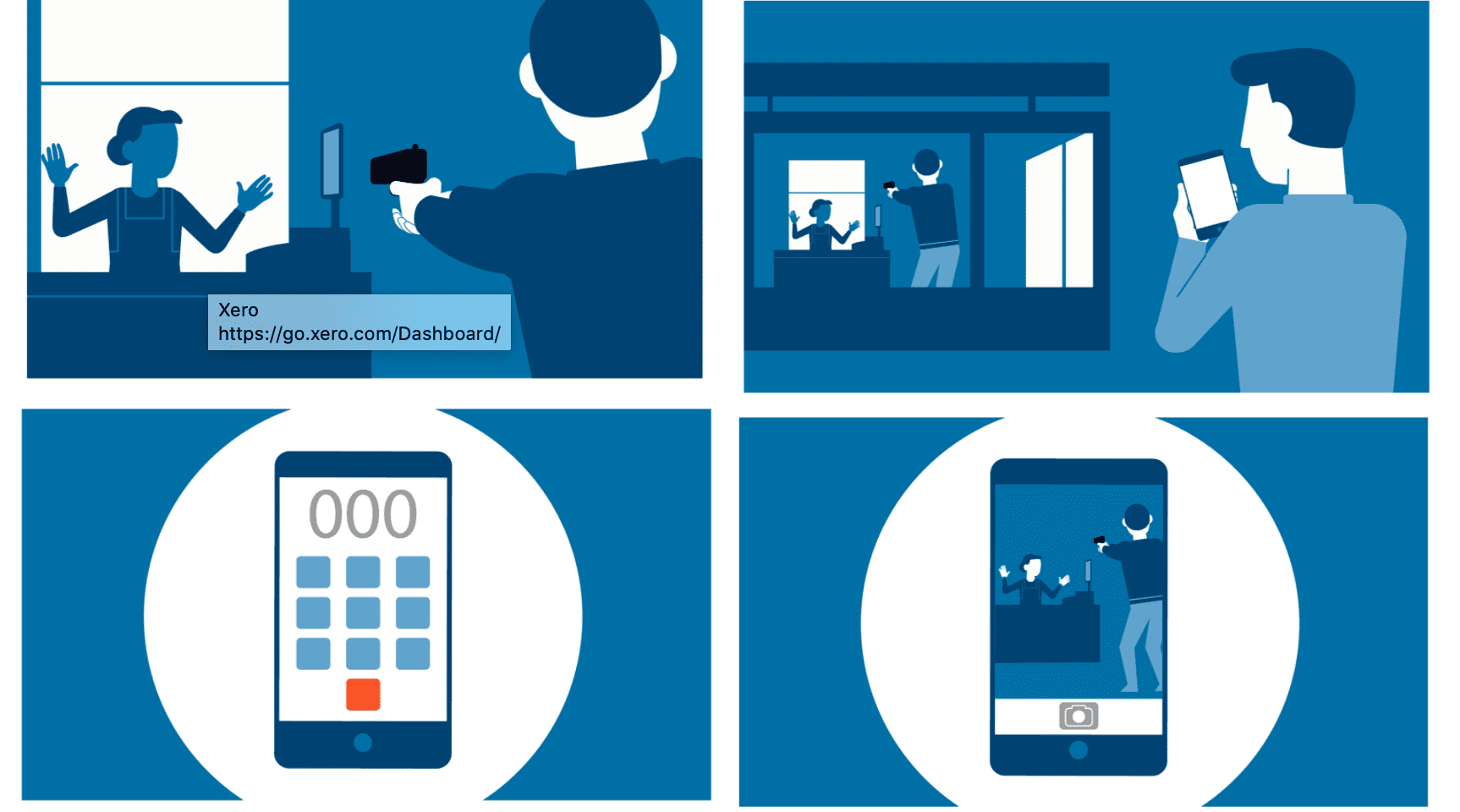
Purpose, audience and deliverables agreed early
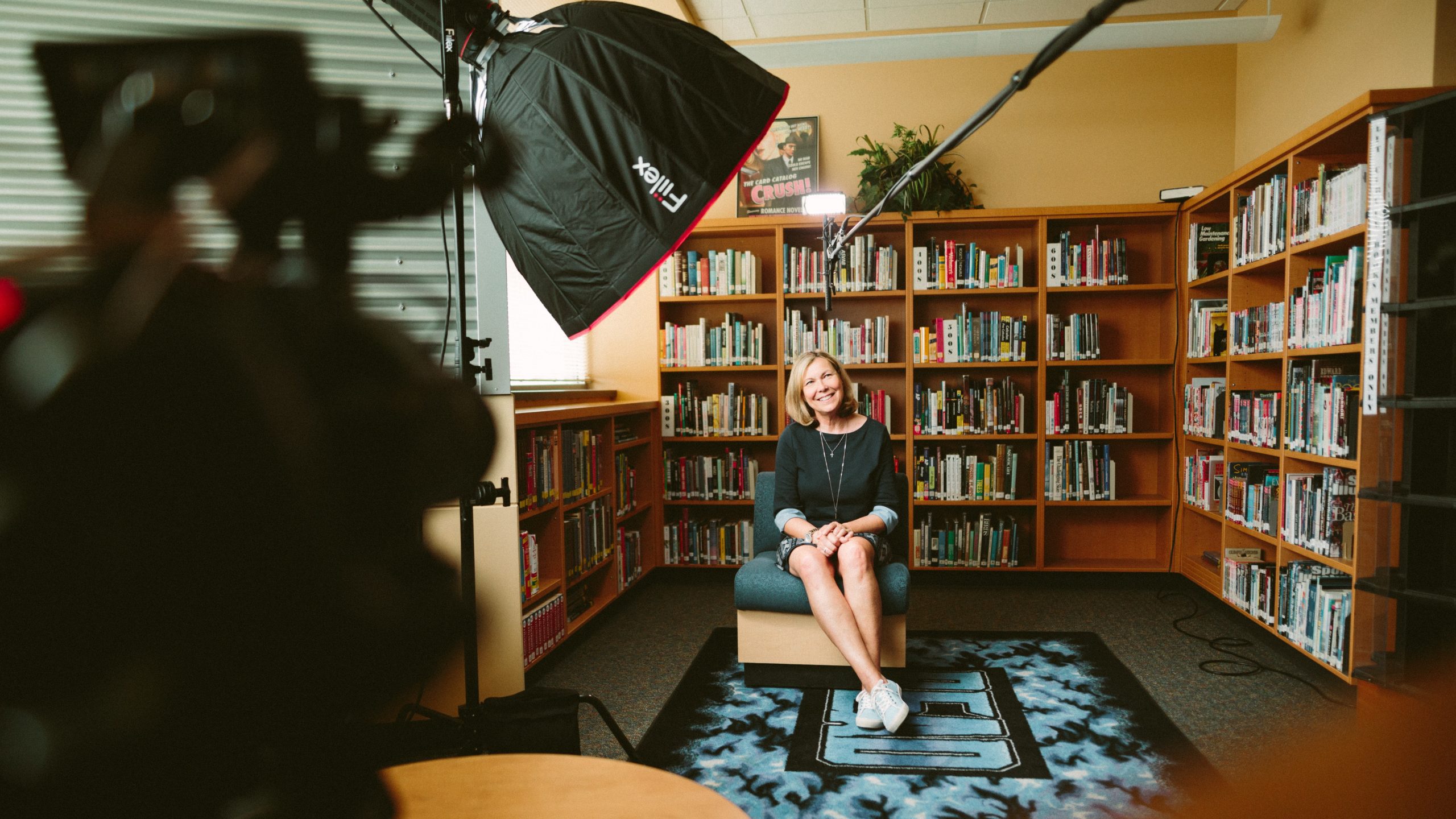
Stakeholders involved at the right moments
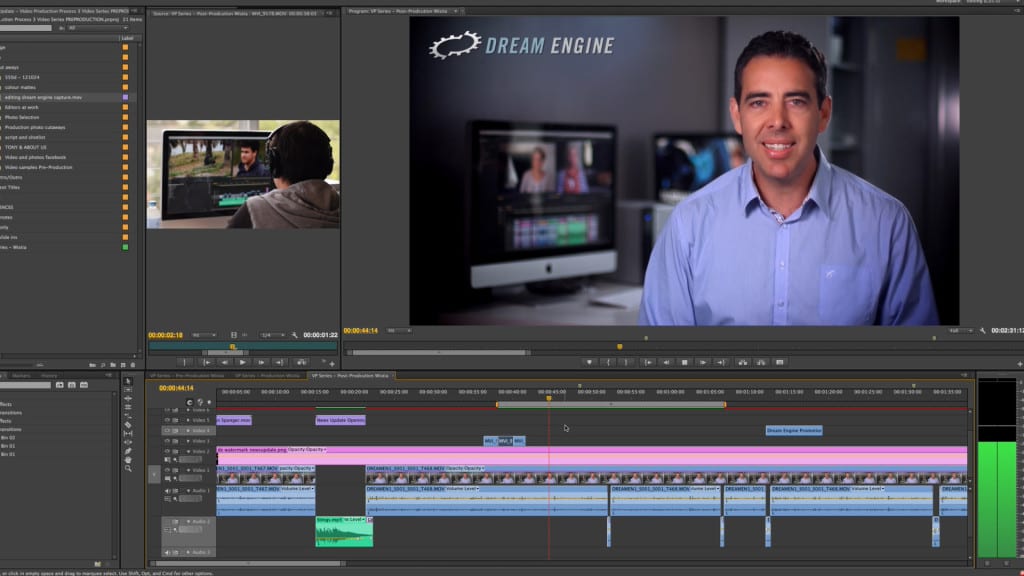
Timing, decisions and next steps kept clear
Four practical stages
Dream Engine manages the creative, logistical and technical work from initial planning through to final delivery. We keep the process practical, give stakeholders clear approval points and make sure each decision supports the purpose of the video.
As a Melbourne video production company, we can manage the complete project or work with material and planning your team already has.
Every project is different, but the way we manage it remains consistent. Your team stays involved at the moments that matter, without needing to coordinate crews, schedules, equipment and technical details.
We define the purpose, audience, priorities, timing and people responsible for approval.
We turn the approved direction into a practical creative, production and approval plan.
We manage the filming day, crew, contributors and technical work around the agreed brief.
We shape the footage, manage feedback and supply every approved version.
The Dream Engine production process
We manage the detail while keeping the decisions your team needs to make visible and well timed.
Stage one
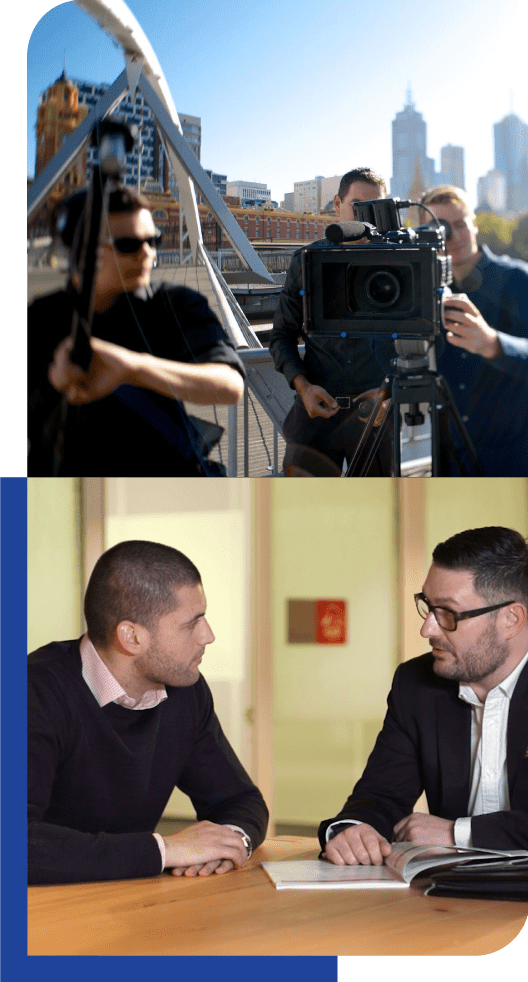
We begin by establishing what the video needs to achieve.
This includes defining the audience, key message, intended response, budget, delivery date and where the finished video will be used. We also identify the stakeholders who need to contribute and the people responsible for final approval.
If you already have a detailed brief, we review it with you and resolve any gaps before planning begins. If the idea is still taking shape, we help turn it into a clear and workable direction.
This stage gives everyone a shared understanding of the project. It also allows us to recommend an appropriate creative approach, production scope and set of deliverables.
Stage two
Once the direction is approved, we turn it into a practical production plan.
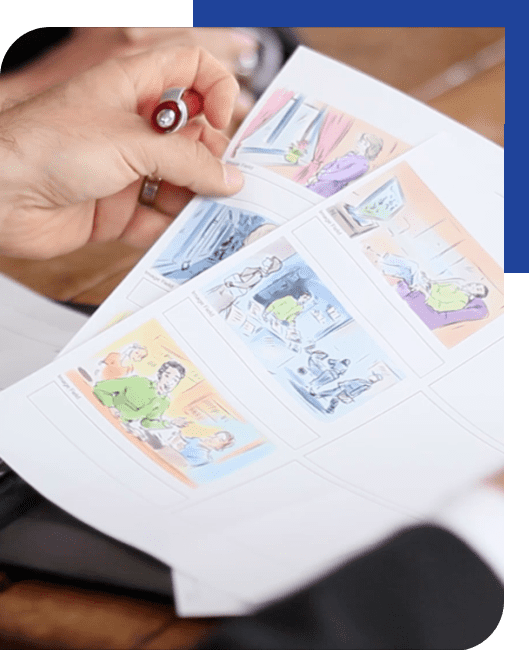
Depending on the project, this may include developing the creative approach, writing a script or interview questions, preparing a storyboard or shot list, selecting locations, arranging presenters or talent, and confirming the crew and equipment.
We also manage the production schedule, filming logistics, permissions and contingency planning. When a project involves several departments or stakeholders, we establish review points for scripts, creative decisions and filming arrangements.
You receive the materials relevant to your project with enough time to review them properly. We confirm what has been approved, what is still outstanding and what needs to happen before filming.
Stage three
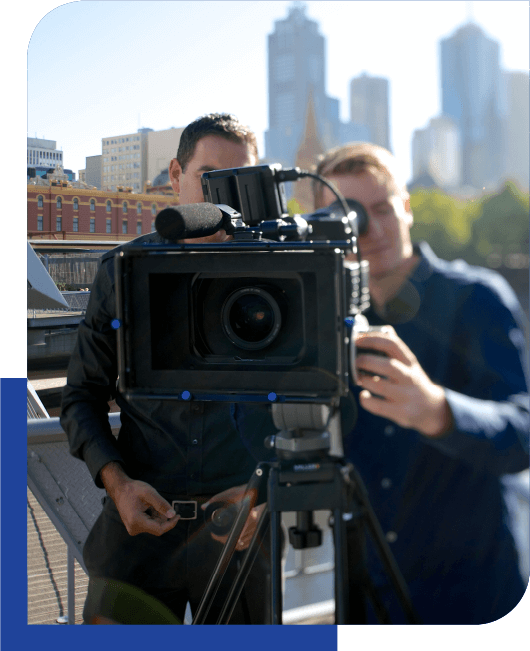
On the filming day, Dream Engine manages the production from setup through to the final shot.
The producer and director keep the schedule moving while coordinating the crew, locations, equipment and on-camera participants. We manage camera, lighting and sound while making sure the footage supports the agreed brief and planned edit.
When interviews are involved, we help participants understand the process and prepare without making their delivery sound rehearsed. We also capture the supporting footage needed to give the editor options and build a more complete story.
Stage four
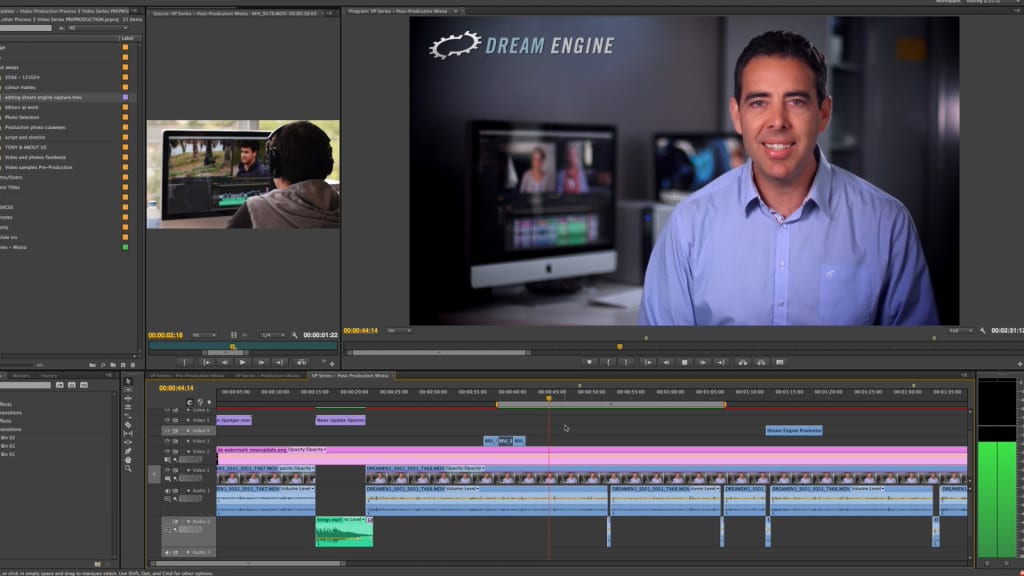
After filming, we shape the footage into a clear and engaging story.
The first edit establishes the structure, pacing and main messages. Depending on the project, post-production may also include motion graphics, titles, captions, colour grading, sound mixing, music and voiceover.
You review the video at agreed milestones and provide consolidated feedback. The included revision rounds and approval process are defined before work begins, so everyone understands how feedback will be managed.
Once the content is approved, we complete the finishing work and supply the required versions for your website, presentations, events, internal communications or social channels.
How the project stays on track
Important decisions stay visible, responsibilities are agreed and changes are explained before they affect the work.
We establish a schedule covering planning, filming, editing, reviews and final delivery, based on the project’s complexity and any fixed dates.
Stakeholders review the right materials at the right stage, with comments organised into one clear response.
If a requested change is likely to affect scope, budget or timing, we explain the impact before proceeding.
Ready to plan your project?
We will help you clarify the scope and develop a practical approach to the project.
Frequently asked questions
Practical answers about timing, cost, approvals and how involved your team needs to be.
The timeframe depends on the project’s complexity, filming requirements and approval process. During planning, we create a schedule covering each stage and work back from any fixed delivery date. Prompt, consolidated feedback from your team also helps keep the project moving.
Cost depends on the scope, crew, filming requirements, locations and amount of post-production involved. After discussing the project, we provide a written proposal defining the deliverables and what is included.
Your main involvement is at the decision and approval points. We need your knowledge of the organisation, audience and subject matter, while Dream Engine manages the production logistics and technical work. At the outset, we agree who will provide information, review materials and give final approval.
The proposed scope states how many feedback rounds are included. We provide a clear review process and ask for one consolidated set of comments at each stage. If new requests change the agreed scope, we discuss any effect on cost or timing before completing the additional work.
Yes. You can come to us with a detailed brief, an existing script, a broad objective or an early idea. We will clarify the audience, message, intended use, timing and budget, then turn that information into a workable project plan.
Video production guides
Use the guides below to look up a production role, plan a particular stage or understand an unfamiliar technique. Each guide explains what is involved and which decisions you may need to make with us.
